
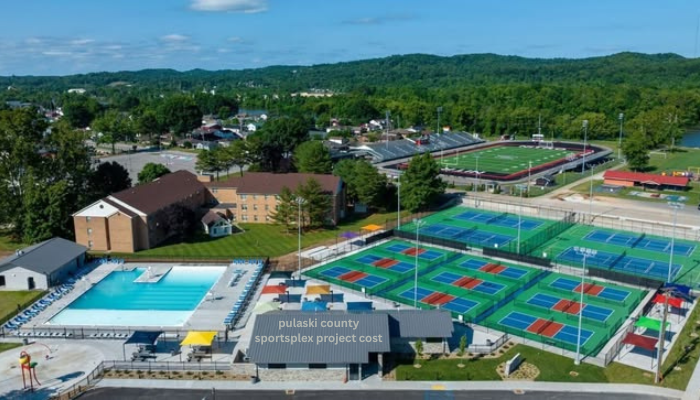

The pulaski county sportsplex project cost represents one of the most significant recreational infrastructure investments in the region’s recent history. This comprehensive facility aims to transform how residents and visitors experience sports and athletic activities throughout the county. Before diving into the specific financial details, it’s important to understand what makes this project such a substantial undertaking and why the investment matters to the community.
The sportsplex isn’t simply another athletic facility. It’s designed as a multipurpose complex that will serve diverse populations, from youth soccer leagues to professional tournaments, from swimming competitions to indoor track events. This versatility requires careful planning, quality construction, and substantial financial commitment from local government and potential partners.
Breaking Down the Total Project Cost
The Pulaski County Sportsplex project carries a total estimated cost that reflects the complexity and scope of modern athletic facilities. Initial projections placed the overall investment at approximately 80 to 100 million dollars, though these figures have been subject to adjustment based on design refinements and market conditions.
This figure encompasses multiple components. Land acquisition represents the foundation of the project, with the county securing adequate acreage for both immediate construction and future expansion. The actual construction costs constitute the largest portion of the budget, including structural development, specialized flooring systems, and climate control infrastructure. Professional design fees, engineering assessments, and architectural planning add significant percentages to the overall expenditure.
What many people don’t realize is that the initial construction costs represent only part of the equation. Equipment purchases, technology infrastructure, parking facilities, landscaping, and site preparation all contribute substantially to the final budget. These elements ensure that the facility operates smoothly and meets contemporary standards for athletic venues.
Funding Sources and Financial Strategy
Understanding how the county plans to finance this ambitious project reveals the collaborative approach necessary for ventures of this magnitude. Multiple funding streams contribute to making the sportsplex financially viable. County bonds represent one primary source, with officials working to secure favorable interest rates and repayment terms.
Private partnerships and corporate sponsorships play an increasingly important role in modern sports facility development. Local businesses and national corporations recognize the marketing value of attaching their names to community landmarks. These sponsorship agreements can significantly reduce the public financial burden while providing businesses with meaningful community involvement opportunities.
User fees and operational revenue projections also factor into the financial planning. Once operational, the sportsplex will generate income through facility rentals, tournament hosting fees, concession sales, and memberships. These revenues help offset operating costs and support debt repayment schedules.
Cost Per Square Foot Analysis
Construction professionals often evaluate facility costs using a per-square-foot metric. The Pulaski County Sportsplex covers substantial acreage with multiple buildings and outdoor facilities. Current estimates suggest costs ranging from 250 to 350 dollars per square foot, depending on the specific areas and the amenities included.
This range positions the project competitively when compared to similar facilities across the country. Modern athletic facilities in comparable communities typically fall within similar price ranges. Factors influencing where the Pulaski County facility lands within this range include regional labor costs, local material expenses, site conditions, and design complexity.
Specialized areas command higher per-square-foot costs. Aquatic centers with competitive pools, diving facilities, and water features require expensive installation and sophisticated mechanical systems. Indoor track facilities need engineered surfaces that meet international standards. These premium areas significantly impact overall cost calculations while providing the distinctive amenities that justify the investment.
Timeline and Phased Approach
Rather than attempting to build the entire sportsplex simultaneously, county planners developed a phased approach that distributes costs across multiple fiscal periods and allows for adjustments based on early experiences. This strategy also enables the facility to begin generating revenue sooner rather than waiting years for complete construction.
The initial phase typically includes core facilities that generate immediate demand and revenue. Competition pools, indoor multipurpose courts, and fitness centers often lead development plans. Phase two and subsequent phases add specialized facilities like aquatic centers, training facilities, and expanded parking as funding becomes available and usage patterns develop.
This incremental approach offers financial advantages beyond simple cost distribution. It reduces financing burden in early years, allows the county to demonstrate successful operations, and provides evidence supporting subsequent funding requests. Communities have found that successfully operating early phases makes banks, state agencies, and corporate sponsors more willing to support continued expansion.
Economic Impact Beyond Construction Costs
While the direct construction investment demands significant attention, the broader economic benefits extend considerably beyond these initial expenditures. Sports facilities of this caliber attract tournaments and competitive events that draw participants and spectators from throughout the region and beyond. These visitors spend money in local hotels, restaurants, retail shops, and entertainment venues.
The sportsplex creates permanent employment opportunities for management, staff, maintenance personnel, and specialized instructors. Seasonal positions during tournaments and special events provide additional work for residents. Economic multiplier effects mean that each dollar spent at the facility generates additional spending throughout the local economy.
Property values in surrounding areas typically appreciate when quality recreational facilities open nearby. Both residential and commercial property owners benefit from the enhanced community amenities and increased foot traffic. Local tax bases expand as properties are reassessed at higher values.
Comparison With Similar Regional Facilities
Examining similar athletic complexes across the country provides valuable context for understanding the Pulaski County Sportsplex costs. A comparable facility that opened in a neighboring state five years ago cost approximately 85 million dollars for a facility covering 200,000 square feet with similar amenities. Adjusting for inflation and regional cost differences, the Pulaski County estimates appear reasonable and professionally developed.
Other recently completed facilities in the region offer additional benchmarks. A sportsplex in a similarly sized county approximately 150 miles away cost 92 million dollars and included slightly more specialized facilities. The variations between projects reflect different design choices, site conditions, and community priorities rather than significant disparities in quality or value.
These comparisons underscore that the Pulaski County project represents a sound investment relative to comparable undertakings. The county’s planners have researched extensively, consulted with experienced facility managers, and based their estimates on proven models and current market data.
Addressing Budget Concerns and Contingencies
Any project of this magnitude faces potential cost overruns and unforeseen expenses. Prudent planning includes contingency budgets, typically ranging from 10 to 15 percent of total project costs. For the Pulaski County Sportsplex, this means setting aside 8 to 15 million dollars specifically for unexpected circumstances.
Contingencies prove valuable when unexpected site conditions emerge during excavation, when material costs fluctuate, or when design modifications become necessary. Having these reserves available prevents project delays and allows work to proceed smoothly without constant fund raising efforts.
Risk management strategies extend to procurement planning and vendor selection. The county works with contractors experienced in large facility construction and bonds these companies to ensure completion. Detailed contracts and performance standards protect the public interest while allowing reasonable profit margins that attract qualified bidders.
Long-term Financial Sustainability
The ultimate measure of a successful sportsplex investment isn’t just the initial construction cost but whether the facility operates sustainably for decades. Pulaski County planners have developed detailed operational projections based on similar facilities’ performance data and community demand studies.
These projections account for staffing, utilities, maintenance, repairs, and capital replacement reserves. Modern athletic facilities typically require significant ongoing investment to maintain specialized surfaces, mechanical systems, and equipment. Successful facilities generate sufficient revenue to cover these costs while maintaining competitive pricing that encourages community participation.
Read Also: Pulaski County Sportsplex Project Cost